Why hospitality’s retention crisis won’t be solved by better job ads and what high-performing sporting organisations figured out decades ago.
There’s a conversation I have almost every week with a hospitality operator that goes something like this: they’ve just lost their third chef in two 1 year. They’re burnt out. They’re frustrated.
The problem is how you’re thinking. And until we fix the thinking, we’ll keep churning through people and wondering why nothing sticks.
The Real Problem: We’re Hiring Individuals. We Should Be Building Teams.
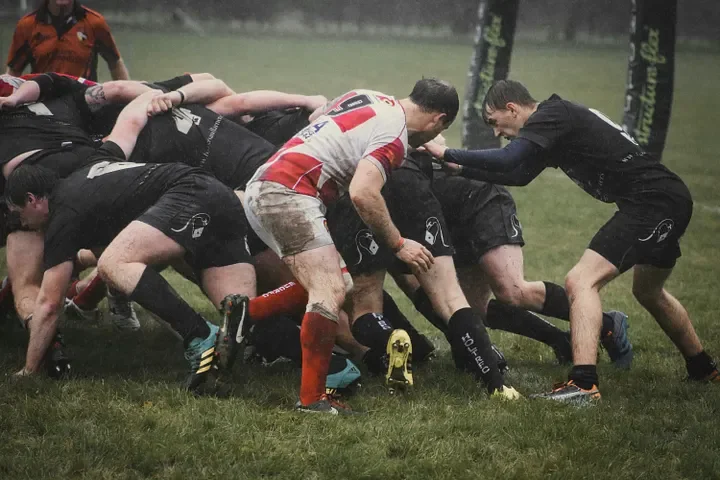
Think about how a professional rugby team operates. When a coach is looking to bring in a new player, they don’t just post a listing that says “Outside Centre wanted. Must have high volume experience and financial acumen.” That would be absurd. Because a rugby coach understands something that most hiring managers in hospitality have never been taught:
You are not filling a position. You are completing a formation.
Every single hire changes the chemistry of what already exists. The new player needs to complement the people already on the field ,not just replicate them. A coach looks at the squad and asks: where are we weak? Where are we vulnerable? What skill set do we not have? And then they go and find the person who plugs that specific gap.
Now contrast that with how a typical hotel, or restaurant approaches a vacancy. Someone quits. Panic sets in. A job ad gets written-usually a copy paste from the last time someone quit. It goes online. CVs come in. Someone keyword-matches a few, makes a couple of calls, and puts a warm body in the role. That person lasts six months. Then we do it all again.
The Kitchen Example: You Wouldn’t Put a Fly-Half in the Scrum. So Why Are You Doing It in Your Kitchen?
Let me make this concrete. Say you’ve got fifteen people in your kitchen a head chef, a sous chef, CDPs commis’s and kitchen stewards. One of your CDPs leaves. Before you write a single word of a job ad, you need to stop and ask yourself some honest questions about your current team.
What does the team actually need right now? Not what does the position description say what does the team need? Maybe your existing CDPs are technically strong but nobody can really butcher whole proteins. Maybe bread and pastry is a gap. Maybe the issue isn’t skill at all maybe what’s missing is someone with calm, steady energy who can anchor a chaotic service.
If you don’t know the answers to those questions, you are not ready to hire. You’re just ready to fill a gap which is a very different thing, and it’s the thing that’s killing your retention.
“In rugby, you don’t put an outside centre into the second row because they showed up and seemed keen. You’d get them destroyed. The same thing happens every day in hospitality kitchens across the country.”
The position exists to serve the team. Not the other way around. And when you hire someone into a role that doesn’t fit where they actually sit in the formation whether that’s skill level, personality, pace, or leadership style they will leave. Not because they were a bad hire. Because you made a bad decision before you ever met them.
The Team Audit Before You Hire Anything
How a Rugby Coach Thinks
Maps the current squad’s strengths and gaps
Identifies the specific position the team is vulnerable in
Considers how a new player will interact with existing personalities
Thinks about squad depth and succession, not just this season
Involves the captain
Builds for culture and formation fit, not just talent
How Most Hospitality Managers Hire
Someone quits → panic → post online
CV keyword matching: “high volume? tick. similar venue? tick.”
One person makes the decision alone
New hire never meets the team before accepting
Role is defined by the last person who did it
Culture is assumed, never assessed
The Culture Problem: Gossip Doesn’t Win Premierships. Neither Does Blame.
Here’s something else sporting organisations understand that hospitality businesses are still figuring out: when a player makes a mistake, the team carries it together. The captain doesn’t stand in the dressing room after the game and point the finger. The coach doesn’t let half the squad whisper about the other half behind closed doors. That’s not how winning cultures are built.
But walk into most hotels and what do you find? Departments that don’t talk to each other. Kitchen versus front-of-house. Management by memo. A GM sitting at the top issuing directives, tracking KPIs, and wondering why nobody seems engaged.
You’ve built a corporate structure. But you needed a team.
The thing about high-performing sporting organisations is that every single person on the field knows they are playing for the badge on the jersey not for their own stats. The emblem on the shoulder is bigger than any individual. There’s a collective accountability that doesn’t allow for the kind of fractured, fragmented culture that has become completely normalised in hospitality.
And when you hire people into that broken environment without addressing the culture first without the coach having a genuine conversation about what this club stands for you’re setting them up to fail. Then you’re surprised when they leave.
The Industry Problem: A Hard Truth About Hospitality Recruiters
I’m going to say something plainly because I think it needs to be said and because too many operators are too polite to say it themselves.
The majority of recruitment companies operating in hospitality in Australia right now are not doing right by their clients. Not even close. They are sitting in offices in the CBD, swiping through resumes, matching job titles to job titles, and sending candidates out without ever setting foot inside the venues they claim to specialise in.
Front office manager needs a front office manager. CV says front office manager. Done. Invoice sent.
That is not talent acquisition. That is a transaction dressed up as expertise. And the damage it does is real: operators bleeding money on vacant roles, paying placement fees for hires that don’t stick, then watching those people walk out six months later because they were never properly matched to the team, the culture, or the stage of the business. Then they blame the candidate. Then they blame hospitality workers in general. Then they post the job again. And the recruiter calls back to do it all over again.
But here’s what really needs to be said: look at who is actually on the other end of that call.
At times you are paying for advice from someone who has never done the role they are recruiting for. Never run a kitchen. Never managed a front office team through a peak season. Never sat in a P&L meeting and understood what a vacant senior role is actually costing the business not just the invoice, but the real cost. The productivity lost. The team morale bleeding out. The covers you didn’t turn. The guests you didn’t win back.
These are people with no formal training in talent acquisition. No bias training. No understanding of how to map a workforce strategy. No insight into where the industry is moving nationally or internationally. No grasp of group expansion plans, global hospitality trends, or what it actually takes to build a team that performs under pressure. What they do understand very well -is how to push a sale and generate an invoice.
And when it fails? They’ll be back. Ready to rinse you again.
What real TA looks like: What It Actually Means to Hire Well in Hospitality
Real talent acquisition in this industry starts before a single job ad is written. It starts with going on-site. Spending time in the venue. Meeting the team. Understanding who the captain actually is -the person the team genuinely looks to, whether or not they have the official title. Identifying where the culture is strong and where it’s cracking.
It means sitting down with the hiring manager and asking them questions they haven’t thought to ask themselves: Are you plugging a hole for six months, or are you making a five-year investment? Is this person going to grow with the business, or does the business need to grow first? Do your current team members feel ownership over this hire, or are you just going to put someone in front of them one day and call it done?
It means thinking about the person you’re hiring as a player joining a squad and making sure the squad is ready to receive them. That the captain has been involved. That there’s been a proper handshake, a real conversation, not just a trial shift and a handshake on the way out the door.
And it means having a long-term talent strategy. Not a reaction. Not a panic post. A genuine plan for how this team develops over the next twelve to twenty-four months because the businesses that win in hospitality right now are not the ones that hire the fastest. They’re the ones that hire the smartest, and build cultures that make people want to stay.
The coach doesn’t just pick the best individual player available. The coach builds the best team possible from what they have and then they find the right person to make it stronger.
That’s the standard I hold myself to. It should be the standard the whole industry holds itself to.
The question is: are you ready to stop filling vacancies and start building something that lasts?
Kristian works with hospitality businesses across Australia to build genuine team formation strategies not just fill vacancies.